
Why Visit Zadar
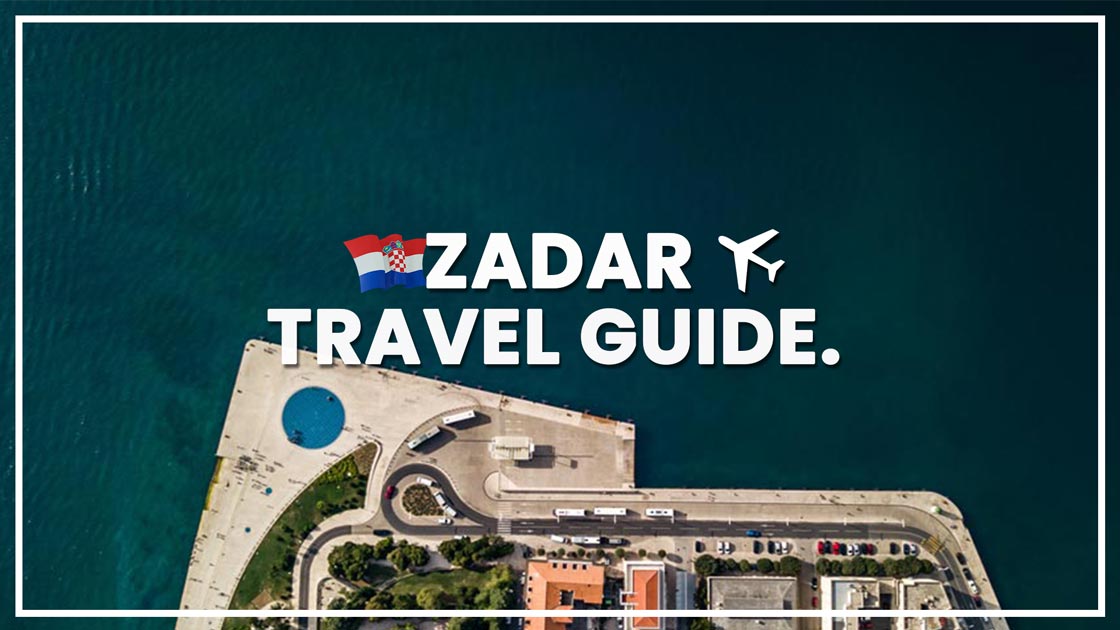
Zadar is a city in Croatia located on the Adriatic Sea with rich history and cultural landmarks, unique and stunning architecture such as the Sea Organ and Sun Salutation, beautiful beaches, delicious cuisine, and exciting festivals and events.
It is a must-visit destination that offers a perfect blend of history, culture, architecture, nature, and cuisine. It has everything from medieval town sights, to festivals such as the Zadar Summer Theatre Festival.
Things to do in Zadar
There are many things to do in Zadar that will make your visit enjoyable and memorable, but here are some of our favorites.
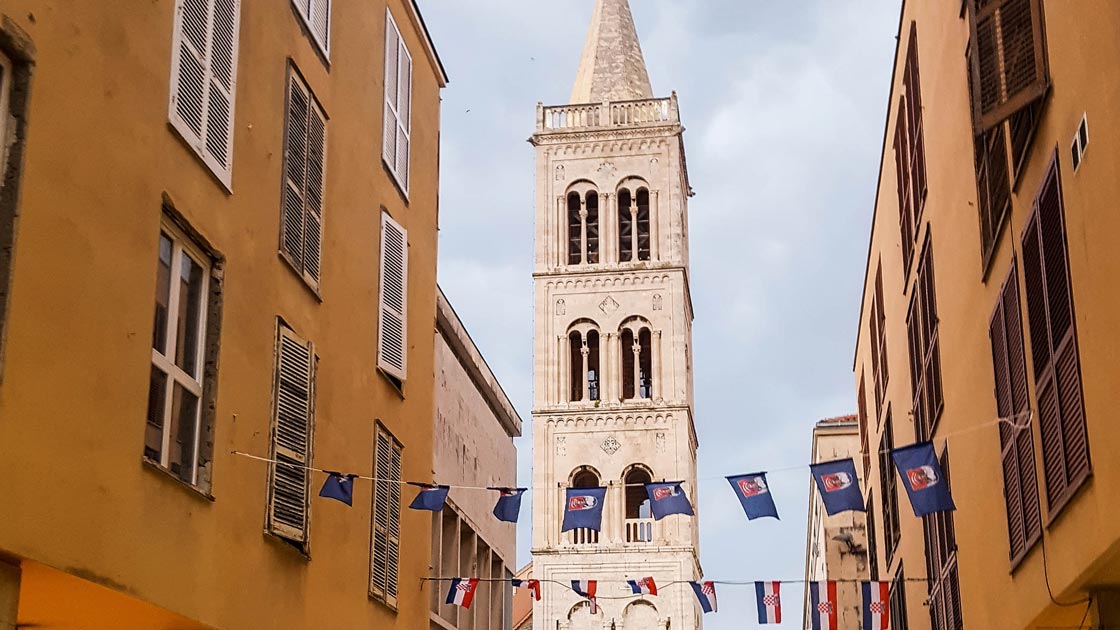
- Visit the Zadar Old Town: This well-preserved medieval town is full of historical and cultural landmarks such as ancient churches and Roman ruins
- Explore the Sea Organ and Sun Salutation: These unique architectural wonders produce music and a light show, respectively, and are must-see attractions in Zadar.
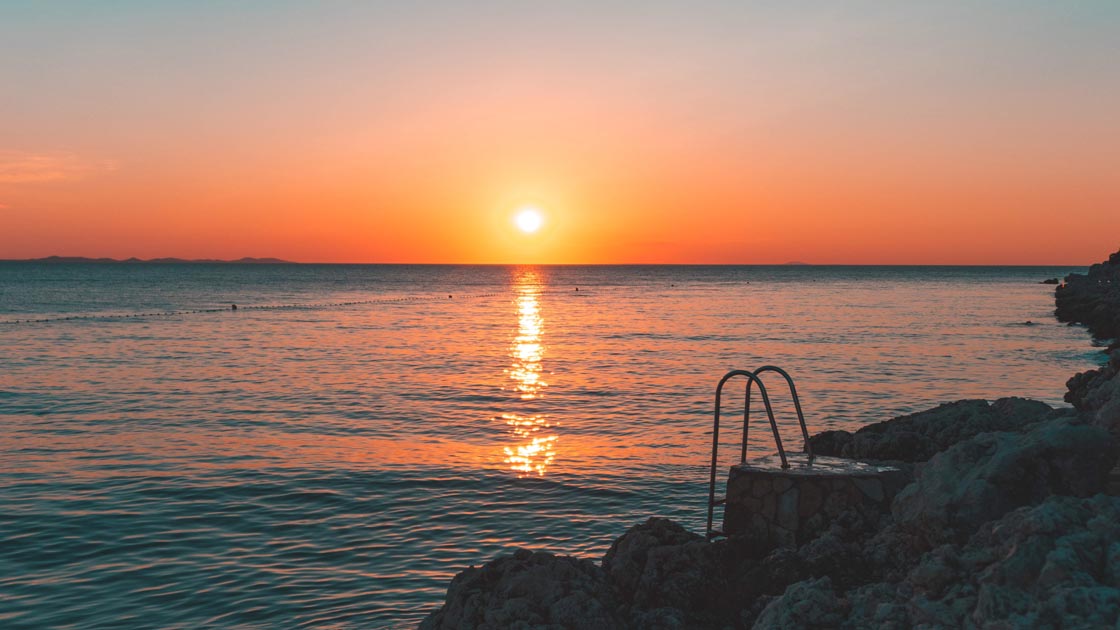
- Relax on the beaches: Zadar is situated on the Adriatic coast, and there are many beautiful beaches where you can soak up the sun and swim in crystal-clear waters.
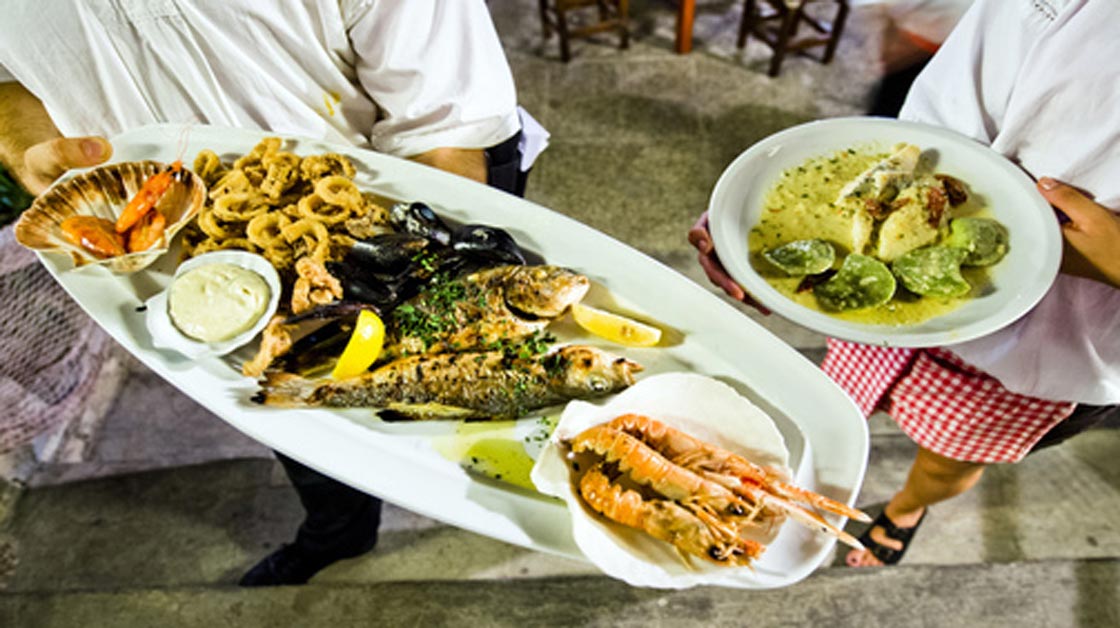
- Try the local cuisine: Zadar is known for its delicious seafood, and there are many restaurants where you can try fresh fish and other local specialties. You can read more about food at the end of this blog.
- Attend a festival or event: Zadar hosts numerous festivals and events throughout the year, including the Zadar Summer Theatre Festival and the Full Moon Festival.
- Visit the museums: Zadar has several interesting museums, including the Museum of Ancient Glass and the Archaeological Museum, where you can learn about the city’s rich history and culture.
- Take a day trip: Zadar is a great base for exploring other nearby destinations such as the Plitvice Lakes National Park or the Kornati Islands.
Overall, Zadar offers a wide range of activities and experiences for visitors, from historical and cultural landmarks to beautiful beaches, delicious food, and vibrant festivals.
Attractions and Things to see in Zadar
Other than the before mentioned Old Town of Zadar, Sea Organ and Sun Salutation theres a few more attractions that are a must see if you ever land in Zadar.
- Forum: The Forum is the main square in Zadar’s Old Town and was once the center of political and social life in ancient times. It’s now home to several important buildings and landmarks.
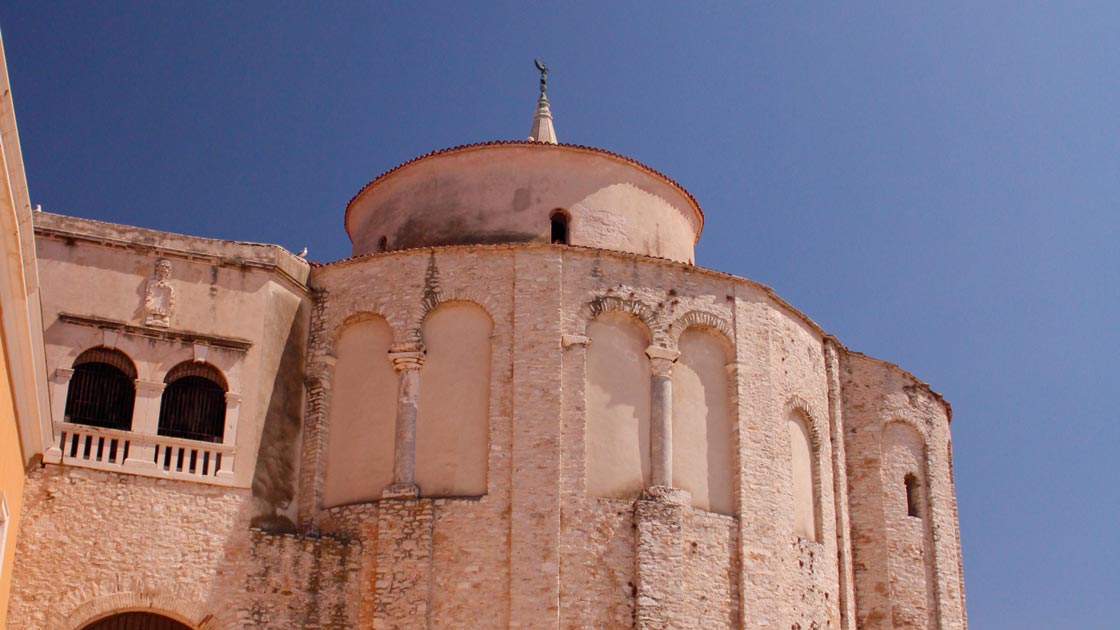
- St. Donatus Church: This ancient church is one of the most important landmarks in Zadar. It was built in the 9th century and is one of the best-preserved examples of Byzantine architecture in Croatia.
- Museum of Ancient Glass: This museum is dedicated to the history of glass-making in Zadar and features a wide range of ancient glass artifacts.
- Kornati National Park: This group of islands is located just off the coast of Zadar and is a popular day trip destination. It’s known for its beautiful beaches, crystal-clear waters, and untouched nature.
Where to stay in Zadar
Zadar offers a variety of accommodation options to suit different budgets and preferences. Here are some popular areas to stay in Zadar:
- Zadar Old Town: This is a popular area to stay for visitors who want to be close to the city’s historical and cultural landmarks. There are many hotels, apartments, and guesthouses within the Old Town, ranging from budget to luxury options.
- Borik: Borik is a neighborhood located just north of Zadar’s city center. It’s a popular area to stay for visitors who want to be close to the beach. There are many hotels and apartments in Borik, ranging from budget to mid-range options.
- Diklo: Diklo is another neighborhood located just north of Zadar’s city center. It’s a quieter area than Borik and is popular among families and couples. There are many apartments and guesthouses in Diklo, ranging from budget to mid-range options.
- Kolovare: Kolovare is a popular beach located just south of Zadar’s city center. There are many hotels and apartments in the area, ranging from budget to luxury options.
- Puntamika: Puntamika is a neighborhood located just north of Zadar’s city center. It’s a quieter area than Borik and is popular among families and couples. There are many apartments and guesthouses in Puntamika, ranging from budget to mid-range options.
Is Zadar Expensive?
Zadar is considered to be an affordable destination compared to other popular tourist destinations in Croatia. However, the cost of your trip will depend on a variety of factors, such as the time of year you visit, your accommodation, transportation, and activities.
In general, the cost of accommodation in Zadar ranges from budget to mid-range prices, with some luxury options as well. Food and drinks are generally affordable, especially if you stick to local restaurants and cafes. The cost of activities, such as museum admissions or day trips, is also relatively affordable.
That being said, the cost of your trip can increase during peak tourist season (July and August) when accommodation prices may be higher, and there may be more crowds at popular attractions. However, visiting Zadar during the shoulder season (May-June, September-October) can often offer a more affordable and enjoyable experience.
Cafes, Night clubs, and Bars in Zadar
Zadar has a variety of cafes, nightclubs, and bars to suit different preferences. Here are some popular options:
Cafes:
- Cafe Bar Lovre: Located in the heart of Zadar’s Old Town, this cafe is known for its beautiful views of the Roman Forum and St. Donatus Church.
- Cogito Coffee Shop: This cafe is located near the Sea Organ and is known for its specialty coffee and cozy atmosphere.
- Kult Caffe Bar: This popular cafe is located in the Borik neighborhood and is known for its outdoor terrace and live music performances.
Nightclubs:
- Hacienda: Located in the Borik neighborhood, this nightclub is known for its lively atmosphere and popular DJs.
- Ledana Club: This club is located in the center of Zadar and is known for its electronic music and light shows.
- Arsenal Club: Located in the heart of Zadar’s Old Town, this club is set in a historic building and is known for its techno and house music.
Bars:
- Botanic Bar & Garden: Located in the heart of Zadar’s Old Town, this bar is known for its beautiful garden and extensive cocktail menu.
- The Garden Lounge Bar: This bar is located near the Sea Organ and is known for its beautiful views of the Adriatic Sea and its wide range of cocktails.
- Forum Bar: Located in Zadar’s main square, this bar is a popular spot for locals and tourists alike and is known for its lively atmosphere and extensive drink menu.
Overall, Zadar has a variety of cafes, nightclubs, and bars to suit different preferences, whether you want to enjoy a coffee with a view, dance the night away, or relax with a cocktail.
Food and Restaurants in Zadar
Zadar offers a variety of dining options, ranging from traditional Croatian cuisine to international flavors. Here are some popular restaurants and food options to try in Zadar:
- Konoba Skoblar: Located in the heart of Zadar’s Old Town, this traditional Croatian restaurant offers delicious seafood and meat dishes in a cozy and intimate setting.
- Fosa: This restaurant is located near the Sea Organ and is known for its creative cuisine and stunning views of the Adriatic Sea.
- Kornat: Located in the Borik neighborhood, this restaurant offers traditional Croatian cuisine with a modern twist and features an outdoor terrace with a sea view.
- Pet Bunara: This restaurant is located in a historic building in Zadar’s Old Town and is known for its traditional Dalmatian dishes, including grilled fish and meat dishes.
- Street food: Zadar’s streets are lined with food stalls and vendors selling traditional Croatian street food, such as cevapi (grilled meat), burek (savory pastry), and fritule (sweet fried dough).
Overall, whether you’re looking for a fine dining experience or a quick and tasty bite on the go, Zadar has plenty of dining options to choose from. Be sure to try some traditional Croatian dishes and fresh seafood while you’re in town.
Beaches in Zadar
Zadar is located on the Adriatic Sea and offers several beaches to enjoy. Here are some popular beaches in and around Zadar:
- Kolovare Beach: This is the main city beach of Zadar, located just a short walk from the Old Town. It’s a pebble beach with plenty of amenities, including restaurants, bars, and sun loungers.
- Borik Beach: This is a sandy beach located about 5 km north of Zadar’s city center in the Borik neighborhood. It’s a popular spot for families with children, as the water is shallow and calm.
- Nin Lagoon: This is a shallow, sandy lagoon located about 15 km north of Zadar. It’s a popular spot for swimming, sunbathing, and water sports, and it’s known for its healing mud.
- Sakarun Beach: This is a stunning sandy beach located on the island of Dugi Otok, about an hour’s ferry ride from Zadar. It’s known for its crystal-clear waters and peaceful surroundings.
- Zaton Beach: This is a sandy beach located about 15 km south of Zadar. It’s a popular spot for swimming and sunbathing, and there are several restaurants and bars nearby.
Overall, whether you prefer a pebble or sandy beach, a lively atmosphere or a peaceful retreat, Zadar and its surroundings offer plenty of options for beach lovers.a
Public Transportation in Zadar
Buses
Zadar has a fairly good public transportation system, with buses being the main mode of public transport. There are several bus lines that operate throughout the city, and the buses are generally clean, safe, and reliable. Fares are affordable, and tickets can be purchased on board or at kiosks and newsstands.
Taxi
In addition to buses, there are also taxis available throughout the city, but they can be more expensive than taking the bus. Uber and other ride-sharing services are also available in Zadar.
Bike or Walking
For those who prefer to explore the city on foot or by bike, Zadar is a relatively small city, and many of its attractions are located within walking distance of each other. There are also several bike rental companies in Zadar, making it easy to explore the city on two wheels.
Overall, while Zadar’s public transportation system may not be as extensive as some larger cities, it is generally efficient and affordable, and there are several options for getting around the city.
Zadar History
Zadar is one of the oldest continuously inhabited cities in Europe, with a rich and fascinating history dating back more than 3,000 years. Here are some key points about the history of Zadar:
Ancient Times: The area around Zadar was inhabited by the Illyrian tribe of Liburnians in the 1st millennium BC. The city of Zadar itself was founded by the ancient Romans in the 1st century BC, and it quickly became an important economic and cultural center.
Medieval Period: In the early Middle Ages, Zadar came under the rule of various Croatian and Slavic rulers, as well as the Byzantine Empire and the Republic of Venice. During this time, the city was a major center of trade, culture, and learning, and it was home to several famous scholars and artists.
Venetian Rule: From the 15th to the 18th centuries, Zadar was part of the Venetian Republic, and it played an important role in the Republic’s trade and military activities in the Adriatic. During this time, the city underwent a major period of Renaissance and Baroque architecture and art, with many of its most famous landmarks being built or renovated.
Austrian and Yugoslav Period: In the 19th and early 20th centuries, Zadar came under the rule of the Austrian Empire and later the Kingdom of Yugoslavia. During World War II, the city was occupied by fascist Italy and suffered extensive damage from Allied bombing. After the war, Zadar became part of the Socialist Federal Republic of Yugoslavia, and it underwent a period of postwar reconstruction and modernization.
Modern Era: Following the breakup of Yugoslavia in the 1990s, Zadar became part of the independent country of Croatia, and it has since undergone a period of revitalization and growth. Today, Zadar is a thriving city that is home to a vibrant cultural scene, stunning historic landmarks, and beautiful natural surroundings.