

Why Visit Dubrovnik
At the far south of our beautiful sunlit country of Croatia, there is a coastal town – the local center of the Dubrovnik – Neretva County and the true pearl of the Adriatic. It is a town of old fishing boats and harbors, whose history truly resembles a fairy tale; the town that inspires poets and writers and that is the home of the world’s purest and most beautiful beaches, and this is only scratching its surface.
Looking for your dream vacation? Then lucky you for running across this article; everything you need is right in the beautiful city of Dubrovnik.
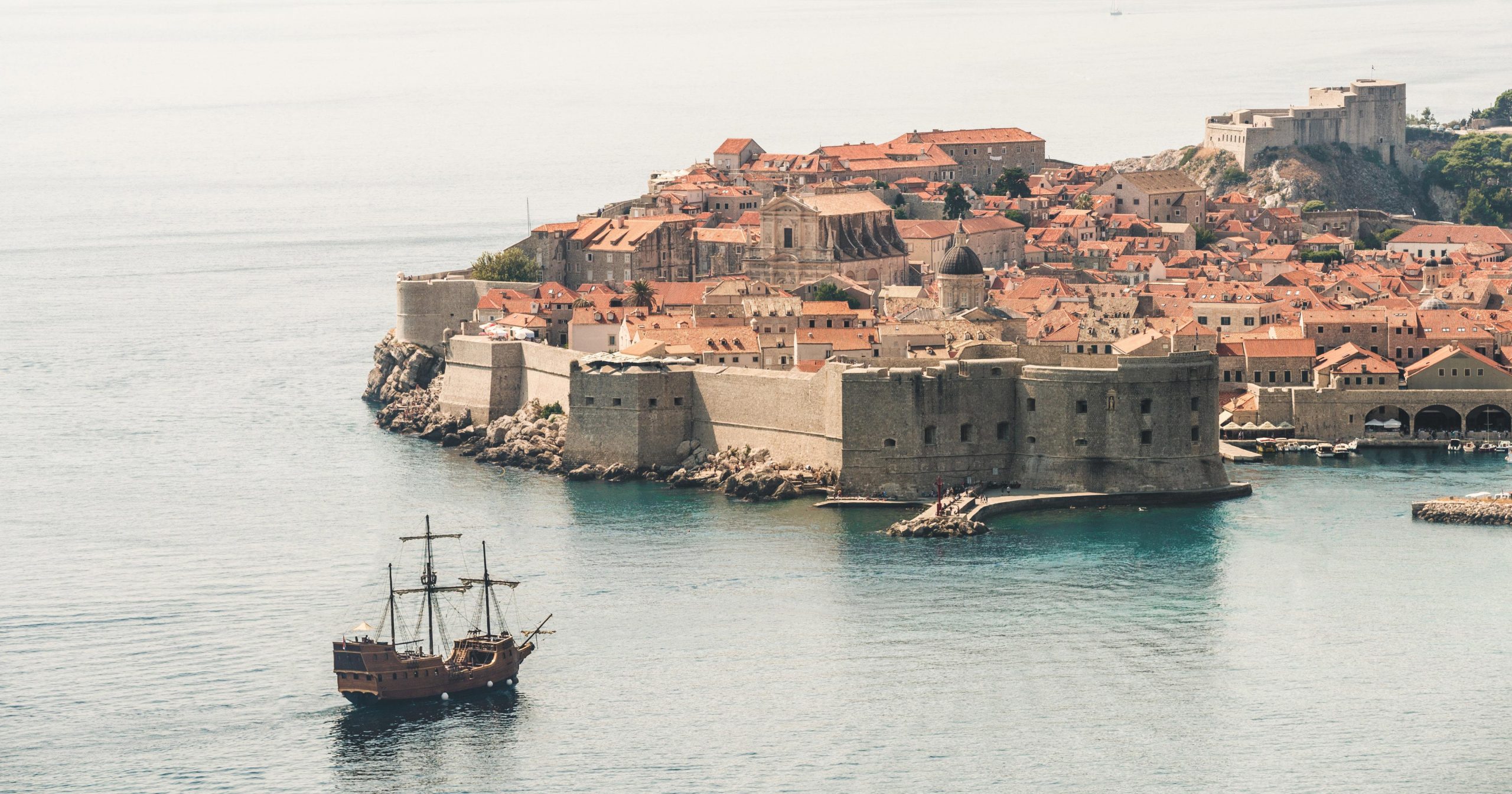
Things to do in Dubrovnik
Dubrovnik is a beautiful city with a rich cultural heritage and many attractions for visitors. Here are some things you can do in Dubrovnik:
Walk the city walls
The walls surrounding Dubrovnik’s old town offer stunning views of the city and the sea, and are a great way to explore the city’s history and architecture.
Visit Stradun
Stradun is the main street in Dubrovnik’s old town, and it’s lined with shops, restaurants, and cafes. It’s a great place to soak up the atmosphere and enjoy some people-watching.
Explore museums
Dubrovnik has several interesting museums, including the Dubrovnik Museum, the Maritime Museum, and the Ethnographic Museum. These museums offer insights into the city’s history and culture.
Take a cable car ride
The cable car in Dubrovnik offers stunning views of the city and the surrounding area, and it’s a great way to get a sense of the city’s geography and topography.
Visit the beaches
Dubrovnik has several beautiful beaches, including Banje Beach, which is located just outside the old town. These beaches are great for swimming, sunbathing, and relaxing.
Take a boat tour
There are many boat tours available in Dubrovnik, which offer a unique perspective on the city and its surroundings. You can take a tour of the city’s walls from the water, or explore the nearby islands and coastline.
Try the local cuisine
Dubrovnik has a rich culinary tradition, with many delicious seafood dishes and local specialties. Be sure to try some of the local wines and spirits, such as Plavac Mali and Travarica.
These are just a few of the many things you can do in Dubrovnik. Whether you’re interested in history, culture, food, or outdoor activities, there’s something for everyone in this beautiful city.
Attractions and Things to see in Dubrovnik
Old Town Dubrovnik
In 1979 Dubrovnik was added to UNESCO’s World Heritage list; his palaces, the City Walls and the Baroque and Renaissance churches were the reason for this honour, and are also the things that should not be neglected if visiting the town. From the historical sites that will undoubtedly fill you with that Dubrovnik Mediterranean spirit, in the first place are Dubrovnik City Walls. 1940 meters long and 25 meters high, circuit fortress and the walls were built from the 13th to 17th century for defence and protection of the city. Walk among them will give you the opportunity to photograph the Old Harbor and enjoy the magnificent scenery. Also, don’t forget to visit the Old Town which they surround. Usual entrance to it is through the Pile gate; west entrance in front of which there is a statue of St. Blaise, Dubrovnik’s patron saint and protector of the city.
Sights in Dubrovnik
After Pile Gate, probably the first thing that will catch your eye is the big Onofrio’s Fountain, named after a Neapolitan builder Onofrio de la Cava. He designed it in the 15th century to satisfy the city’s water supply, as the fountain was once connected to a 20 km distant river. Originally it was richly decorated; it obtained its present form after the great earthquake in 1667. The fountain follows the main street of Dubrovnik, Stradun. The narrow, marbled streets teem with life that overflows into them from many shops, cafes, and restaurants; therefore making Stradun ideal for a dinner or walk in a romantic note.
The basic ingredients of almost every menu in the Old Town are fish and clams, and all the seafood delicacies that restaurants have to offer are usually just taken out of the blue depths of the Adriatic Sea. The best view of the remarkable coastal panorama will give you Dubrovnik’s Cable Car – voted (by the US portal Trip Advisor) to be the third best of the city’s attractions. Other interesting attractions are fort Lovrijenac – the so-called Dubrovnik’s Gibraltar and a symbol of resistance to the Venetian Republic; and the old Franciscan and a Dominican monastery.
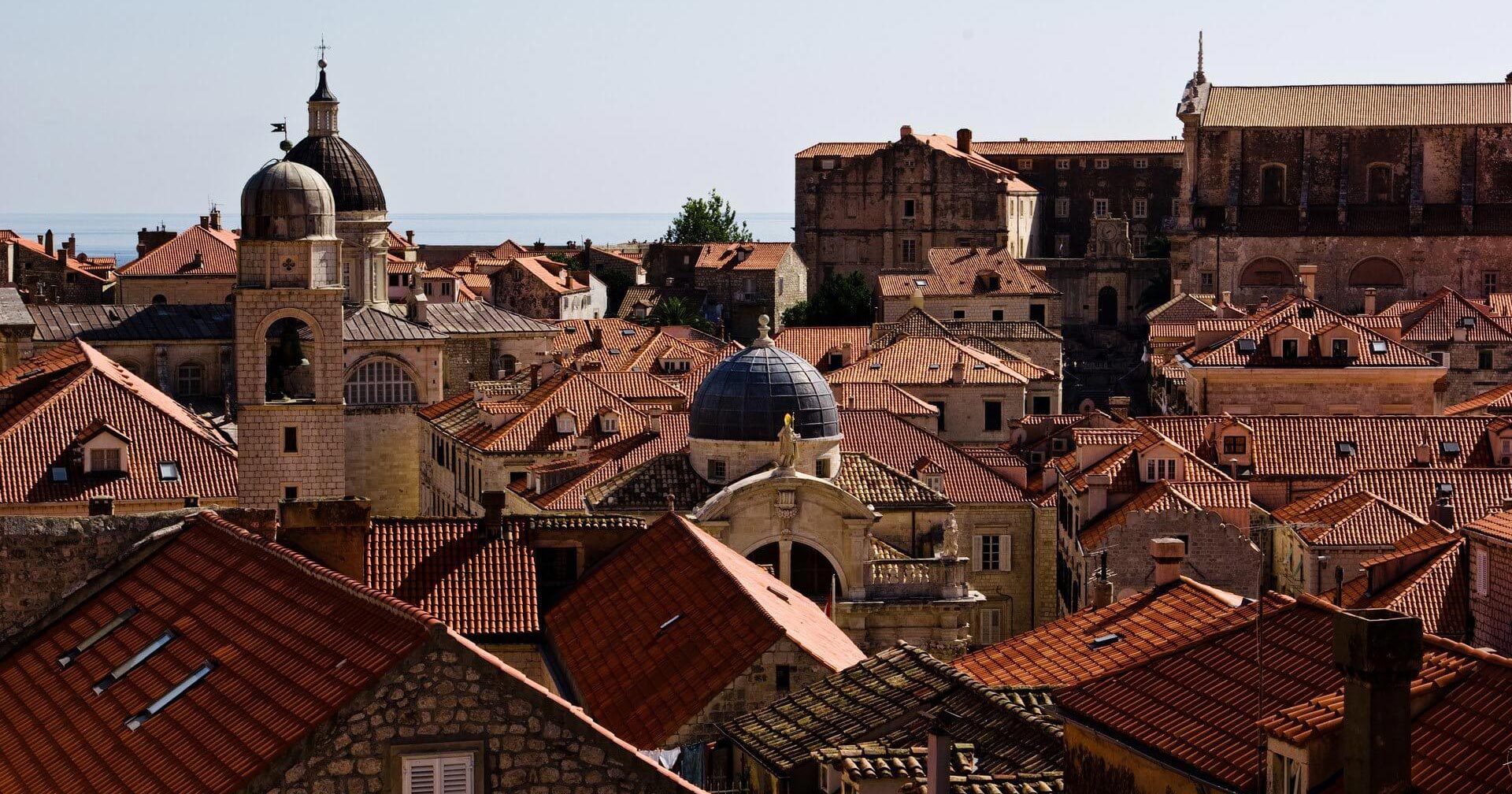
Where to stay in Dubrovnik
Dubrovnik offers a range of accommodation options, from luxury hotels to budget-friendly hostels. Here are some suggestions for where to stay in Dubrovnik:
Old Town
Staying in the heart of the old town is a great option if you want to be close to the city’s main attractions, restaurants, and nightlife. There are several boutique hotels and guesthouses located within the walls of the old town, offering a unique and authentic Dubrovnik experience.
Lapad
Lapad is a residential neighborhood located about 3 km from the old town. It’s a quieter and more peaceful area, with plenty of green spaces and beaches. There are many hotels and apartments in Lapad, ranging from budget to luxury.
Ploče
Ploče is a neighborhood located just outside the old town, on a hill overlooking the sea. It’s a great location if you want to be close to the old town but also enjoy some peace and quiet. There are several luxury hotels and villas in Ploce, with stunning views of the sea and the city.
Babin Kuk
Babin Kuk is a resort area about 6 km from the old town. It’s a great option if you want to be close to the beach and enjoy some resort amenities, such as swimming pools, spas, and restaurants. There are several hotels and apartments in Babin Kuk, ranging from budget to luxury.
Gruz
Gruz is a busy port area about 2 km from the old town. It’s a great option if you want to be close to the ferry and bus terminals, and have easy access to the nearby islands. There are several hotels and apartments in Gruz, ranging from budget to mid-range.
Overall, Dubrovnik offers a wide range of accommodation options to suit every budget and preference. Whether you’re looking for a luxury hotel in the heart of the old town, or a budget-friendly hostel in Lapad, you’re sure to find something that fits your needs.
Is Dubrovnik Expensive?
Dubrovnik can be an expensive destination, especially during peak tourist season (June to August). However, it’s still possible to find affordable options if you plan ahead and do some research.
Here are some things to keep in mind when it comes to expenses in Dubrovnik:
Accommodation
Accommodation in Dubrovnik can be expensive, especially if you’re looking to stay in the heart of the old town or in a luxury hotel. However, there are still some budget-friendly options available, such as hostels and apartments in the suburbs.
Food and drink
Eating out in Dubrovnik can be expensive, especially in tourist areas. However, there are still some affordable options available, such as street food stalls and local cafes. To save money, consider buying groceries and cooking your own meals.
Transportation
Taxis and private transfers can be expensive in Dubrovnik. Instead, consider using public transportation, such as buses and ferries, to get around.
Activities and attractions
Many of the attractions in Dubrovnik, such as walking the city walls or visiting museums, have entrance fees. However, there are also many free things to do in the city, such as exploring the old town or going to the beach.
Overall, Dubrovnik can be an expensive destination, but there are still ways to enjoy the city on a budget. To save money, consider traveling during the shoulder season (April to May and September to October), staying in the suburbs or outside of the old town, and eating and drinking like a local.
Cafes, Night clubs, and Bars in Dubrovnik
Dubrovnik has a vibrant nightlife scene with plenty of cafes, bars, and nightclubs to choose from. Here are some popular options:
Cafes:
- Buza Bar – located on the edge of the old town walls, with stunning views of the sea and the sunset.
- Cafe Festival – a trendy cafe in the heart of the old town, serving coffee and cocktails.
- Dubravka 1836 Cafe & Restaurant – located on the Pile Gate, with beautiful views of the sea and the old town.
Bars:
- D’Vino Wine Bar – a cozy bar in the old town, offering a selection of Croatian wines and snacks.
- SkyBar – located on the rooftop of the Valamar Lacroma Hotel, with stunning views of the sea and the sunset.
- Troubadour Jazz Cafe – a jazz bar in the old town, with live music performances and a cozy atmosphere.
Nightclubs:
- Culture Club Revelin – a popular nightclub located in a 16th-century fortress, with multiple dance floors and international DJs.
- Club Lazareti – located in a former quarantine station, with a unique industrial vibe and electronic music.
- Banje Beach Club – located on the Banje Beach, with a pool, lounge chairs, and music events.
Overall, Dubrovnik has something to offer for every taste and preference, from cozy cafes to trendy bars and buzzing nightclubs.
Food and Restaurants in Dubrovnik
Dubrovnik is known for its delicious Mediterranean cuisine, with a focus on fresh seafood, grilled meats, and locally sourced ingredients. Here are some popular restaurants and dishes to try in Dubrovnik:
Restaurants:
- Proto – a high-end restaurant located in the old town, serving traditional Mediterranean cuisine and fresh seafood.
- Nautika – a fine-dining restaurant located on the edge of the old town walls, with stunning views of the sea and the sunset.
- Dubravka 1836 Restaurant & Cafe – a seafood restaurant located on the Pile Gate, with beautiful views of the sea and the old town.
Dishes:
- Black Risotto – a traditional Croatian dish made with cuttlefish or squid ink, rice, and seafood.
- Pasticada – a slow-cooked beef stew served with gnocchi or polenta.
- Grilled Fish – fresh fish grilled with olive oil and herbs, served with seasonal vegetables and potatoes.
In addition to the restaurants and dishes mentioned above, Dubrovnik is also known for its local wine, olive oil, and cheese. To experience the local cuisine to the fullest, consider taking a food tour or visiting one of the local markets to sample the fresh produce and artisanal products.
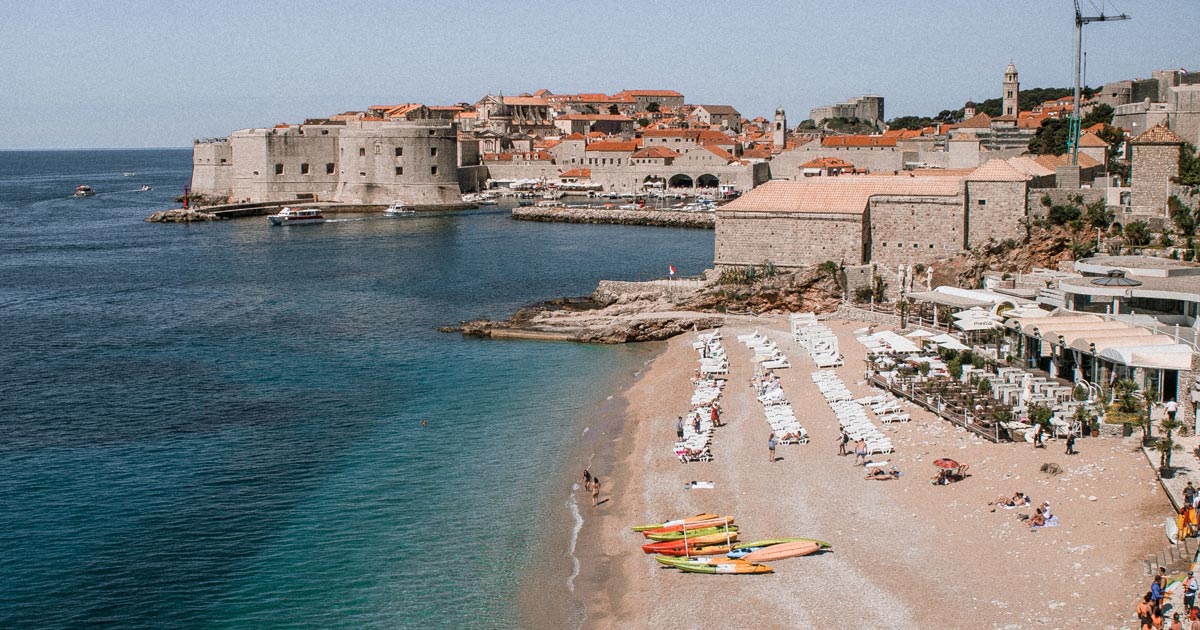
Beaches in Dubrovnik
Dubrovnik and its surroundings offer a variety of beaches, from sandy to pebbly, with crystal clear waters and stunning views. Here are some of the best beaches to visit in Dubrovnik:
Banje Beach
Located just outside the old town walls, this is the most popular beach in Dubrovnik. It’s a mix of sandy and pebbly, with a beach club, a restaurant, and stunning views of the old town.
Lapad Beach
Located in the Lapad Bay, this is one of the largest beaches in Dubrovnik. It’s a pebbly beach with crystal clear waters, and it offers plenty of facilities such as restaurants, cafes, and water sports equipment rental.
Sveti Jakov Beach
Located on the eastern side of Dubrovnik, this is a secluded pebbly beach with crystal-clear waters and stunning views of Lokrum Island. It’s a bit of a hike to get there, but the views and the peaceful atmosphere make it worth it.
Copacabana Beach
Located in Babin Kuk, this is a large pebbly beach with plenty of facilities such as beach bars, restaurants, and water sports equipment rental.
Sunj Beach
located on the island of Lopud, this is one of the most beautiful sandy beaches in the Dubrovnik area. It’s a bit of a boat ride away from Dubrovnik, but the crystal clear waters and the peaceful atmosphere make it worth it.
Overall, Dubrovnik offers a variety of beaches to suit every taste and preference, from the bustling Banje Beach to the secluded Sveti Jakov Beach.
Public Transportation in Dubrovnik
Dubrovnik has a public transportation system that includes buses and taxis. Here’s some information on each:
Buses
The main bus station is located in the Gruž port area, and it offers connections to other cities in Croatia and neighboring countries. Within Dubrovnik, there are several bus lines that run through the city and connect the main tourist areas. The buses are operated by Libertas Dubrovnik, and you can buy tickets at the bus station, at newsstands, or directly from the driver. The ticket prices vary depending on the distance, but they are generally affordable.
Taxis
Taxis are widely available in Dubrovnik, and you can either hail one on the street or book it in advance. The taxi fares are regulated by the city, and there is a tariff chart that shows the prices for various distances and times of the day. However, the prices can vary depending on the company and the season, so it’s always a good idea to ask for the price estimate before getting into the taxi.
Cable Car
In addition to buses and taxis, Dubrovnik also has a cable car that connects the old town with the top of Mount Srđ, offering stunning views of the city and the surrounding area. There are also various tour companies that offer organized tours and excursions to nearby attractions such as the islands, national parks, and historic sites.
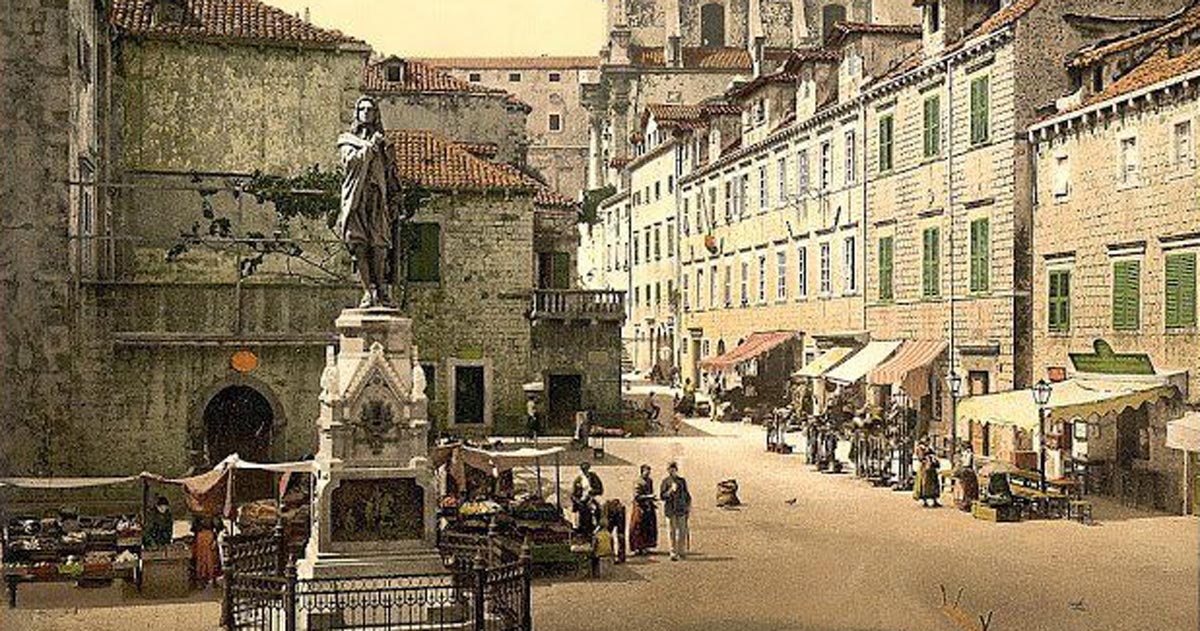
Dubrovnik History
So, how best to display the beauties of this city? Dubrovnik has a long and rich history that dates back to the 7th century. Here’s a brief overview:
7th century: Dubrovnik was founded as a small settlement of Slavic tribes.
12th century: Dubrovnik became a city-state known as the Republic of Ragusa, which was a maritime power that controlled much of the eastern Adriatic coast.
14th century: Dubrovnik developed into a significant center of commerce and culture, with a thriving economy based on trade and shipbuilding. The city’s walls and fortifications were built during this time to protect against invasions.
15th-16th centuries: Dubrovnik continued to flourish as a center of trade and culture, with a thriving port and a famous university. The city also played an important role in the Renaissance, with many famous artists and writers living and working there.
17th century: Dubrovnik was hit hard by a series of disasters, including an earthquake, a plague, and attacks from the Ottoman Empire. The city’s population declined and its economy suffered.
18th-19th centuries: Dubrovnik became part of the Habsburg Empire and later the Austro-Hungarian Empire, which brought new investment and infrastructure to the city.
20th century: Dubrovnik was heavily damaged during the Croatian War of Independence in the 1990s, but has since been restored and is now a popular tourist destination.
Overall, Dubrovnik has a fascinating and complex history that reflects its strategic location at the crossroads of eastern and western Europe.