

If we were to imagine an alternate world where Croatia doesn’t exist, it would certainly be very different. For example, the White House probably wouldn’t look the way it does now. Suits would be worn without ties, and Cruella de Vil should have to attack a group of small German Shepherds or maybe Yorkshire Terriers instead of a well-known dog breed with its famous black spots.
Main Article photo by: Kristijan Pernar Photography
From this scenery, we can see that Croatia, although small by area, has truly made significant contributions to the world. In addition, it is full of unusual, interesting places, stories, and people. That is why, to remind you how great she really is, we are bringing you 20 facts that you might not know about our beautiful homeland.
Fun and interesting facts about Croatia
1.Croatia, along with Spain, has the most intangible heritage under UNESCO’s protection in Europe.
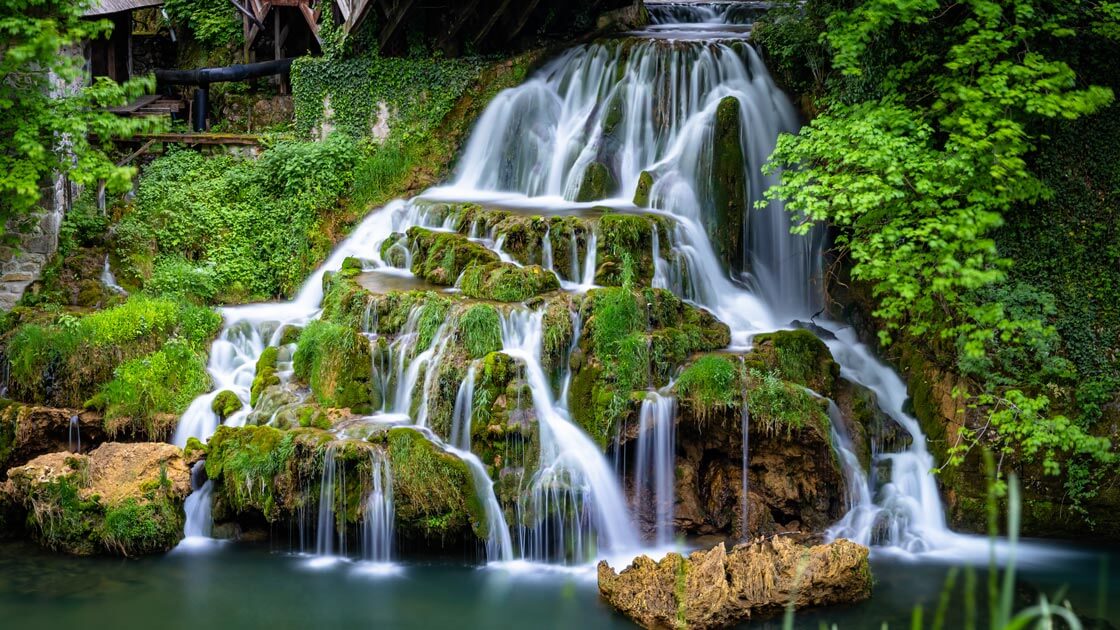
The intangible cultural heritage of Croatia includes elements such as traditional music, dance, craftsmanship, and even gingerbread making.
2. Dalmatian – one of the most famous dog breeds – originates from Croatian historical region of Dalmatia.

The Dalmatian breed is known for its distinctive spotted coat and was historically used as a carriage dog, running alongside horse-drawn carriages to protect them and their passengers. Today, Dalmatians are beloved family pets and continue to be admired for their loyalty, athleticism, and unique appearance.
3. Croatia is the birth place of the famous explorer Marco Polo.

While the exact birthplace of Marco Polo is still debated, many scholars believe that he was born on the island of Korčula, off the coast of Croatia. Marco Polo is best known for his travels to Asia and his book “The Travels of Marco Polo”, which provided valuable insights into the culture and geography of the region during the 13th century.
4. Croatia is also the home of one of the greatest inventors in the world, Nikola Tesla.

Nikola Tesla was born in the Croatian town of Smiljan, which was then part of the Austro-Hungarian Empire. Tesla is widely regarded as one of the most important inventors in history, with contributions to the development of alternating current (AC) electrical systems, wireless communication, and the Tesla coil, among many other innovations. His legacy continues to influence modern technology and science.
5. Naturalist beaches are an important part of tourism in the country (not even Bradley Cooper could resist taking off his clothes when he visiting the country).
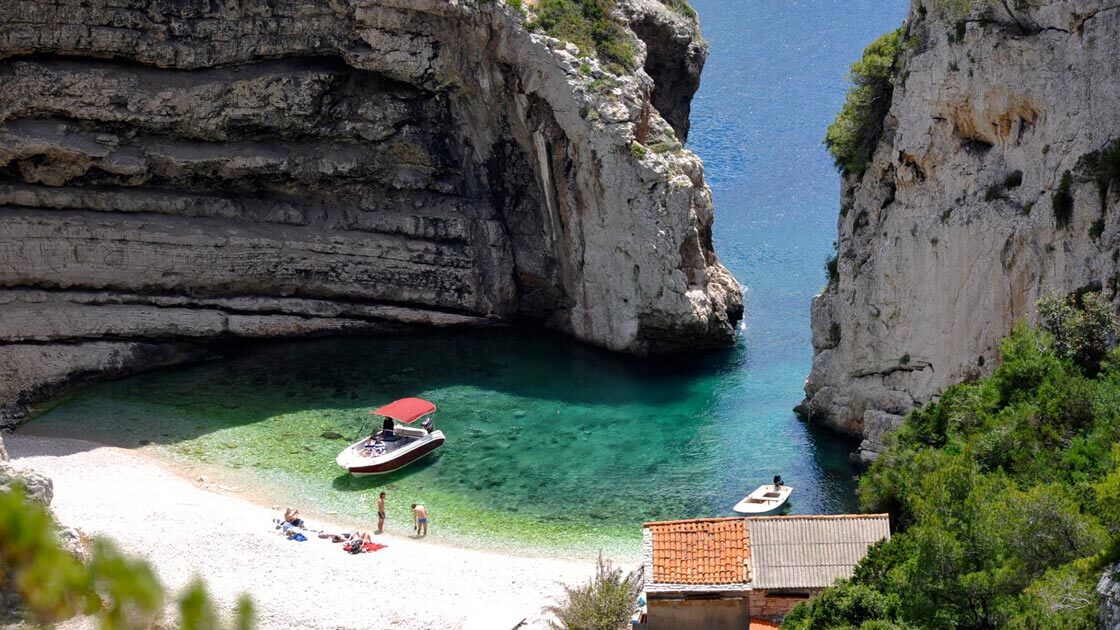
Croatia’s stunning coastline and crystal-clear waters are home to many naturalist or nudist beaches, which have become a popular attraction for tourists seeking a more liberated and natural beach experience. Some of the most famous naturalist beaches in Croatia include Koversada in Istria, Valalta near Rovinj, and Brela Beach in Dalmatia. Croatia’s commitment to environmental protection and sustainable tourism practices has helped to maintain the beauty and naturalness of these beaches for generations to come.
6. Some of the most important scenes of the popular show “Game of Thrones” were shot in Croatia.
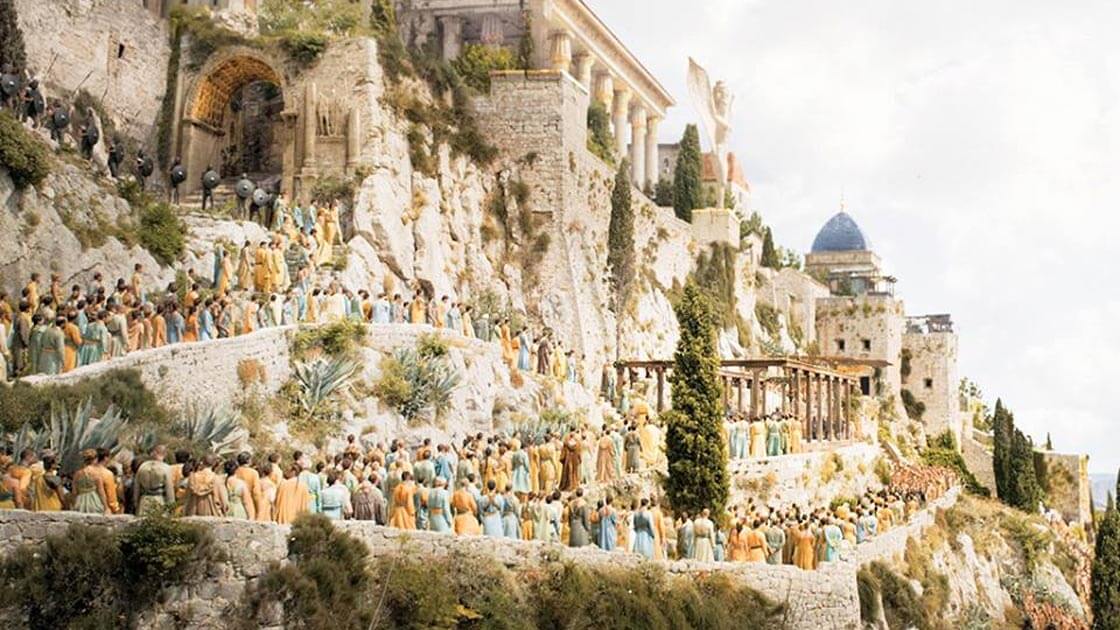
Croatia’s stunning historical landmarks and breathtaking landscapes have made it a popular destination for film and television productions, including the hit show “Game of Thrones.” Some of the most iconic scenes in the series were filmed in Croatia, such as the scenes in King’s Landing, which were shot in the medieval walled city of Dubrovnik. Other locations used in the show include the historic city of Split and the Klis Fortress, which served as the setting for the city of Meereen. The popularity of “Game of Thrones” has helped to boost tourism in Croatia, as fans flock to visit these iconic filming locations.
7. The White House in Washington was built with the stone from Croatian island Brač! Same as the Parliament building in Vienna and Budapest.
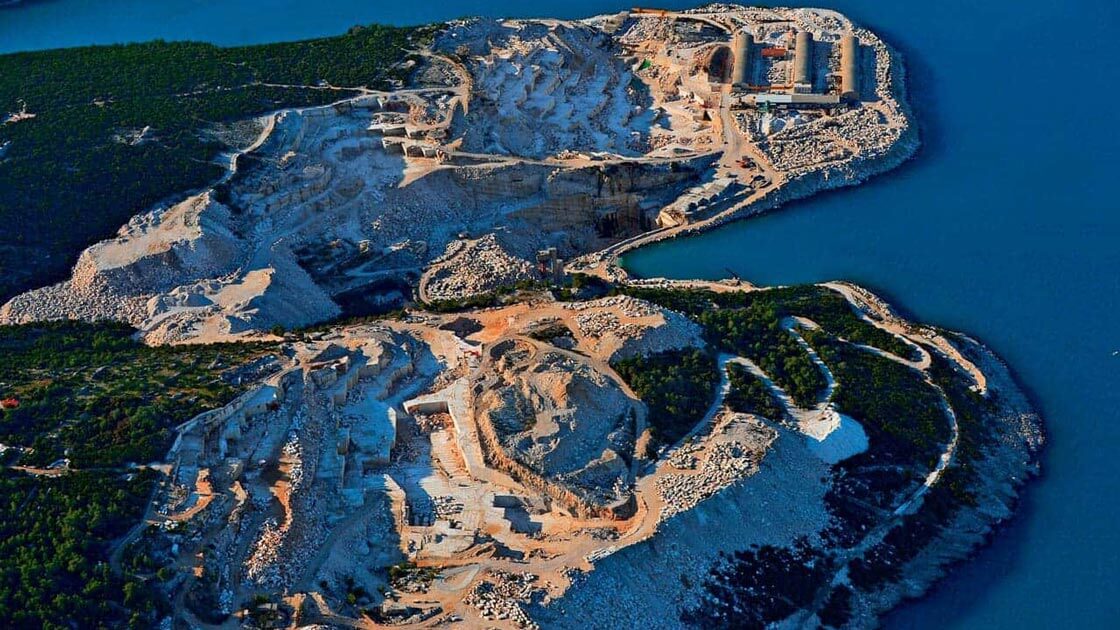
The island of Brač in Croatia is famous for its high-quality limestone and is renowned for its durability and attractive appearance, making it a popular choice for construction projects throughout history. Today, visitors to Brač can still see the island’s quarries and stone-cutting workshops, which continue to produce this beautiful and versatile building material.
8. Located in the city of Zadar is the world’s first sea and wind-powered organ.

The Sea Organ in Zadar, Croatia, is a unique architectural and musical marvel that uses the power of the sea to create hauntingly beautiful sounds. The organ consists of a series of pipes and resonant cavities embedded in the steps leading down to the Adriatic Sea. As waves and currents move through the organ, they create air pressure that is channeled through the pipes, producing an eerie and otherworldly sound that is reminiscent of a natural symphony. The Sea Organ has become a popular tourist attraction and a symbol of the city’s creativity and innovation.
9. According to the Guinness Book of Records, the smallest town in the world is Hum in Croatian region Istria – although it has only 23 inhabitants!
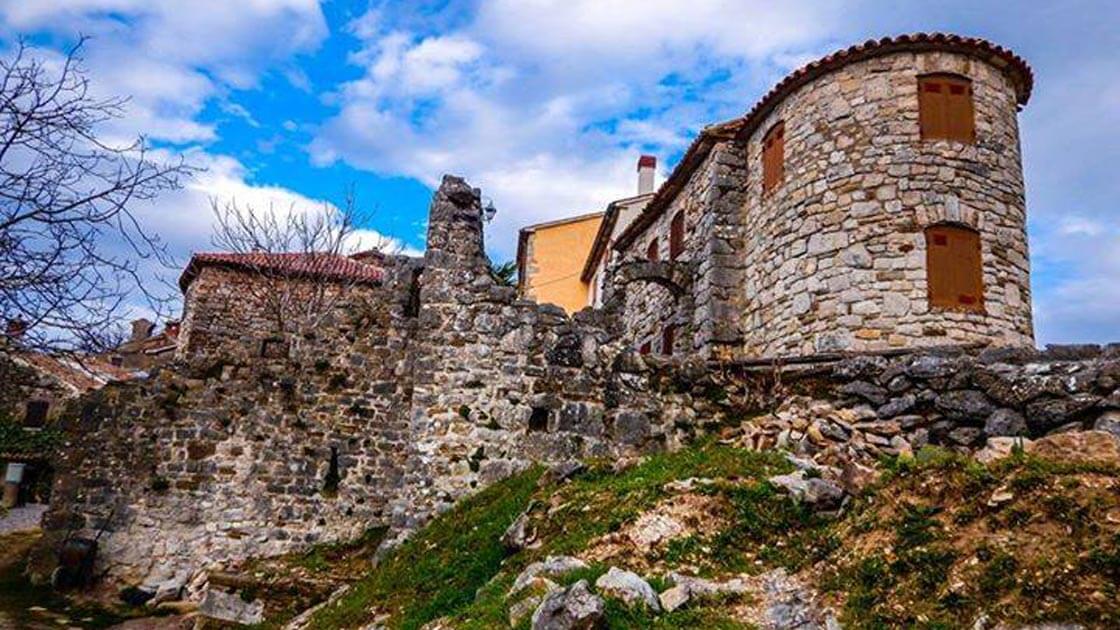
Hum, located in the Istrian peninsula of Croatia, is recognized by the Guinness Book of Records as the smallest town in the world. Despite having only 23 inhabitants, Hum boasts a rich history and cultural heritage, with numerous well-preserved medieval buildings and fortifications. The town is also famous for its production of biska, a traditional Istrian brandy made from mistletoe, as well as its olive oil, truffles, and other local delicacies. Despite its diminutive size, Hum attracts visitors from around the world who come to experience its unique charm and warm hospitality.
10. Dubrovnik, an independent republic at the time, was the first to recognize the United States as a nation, having declared its independence from Great Britain.
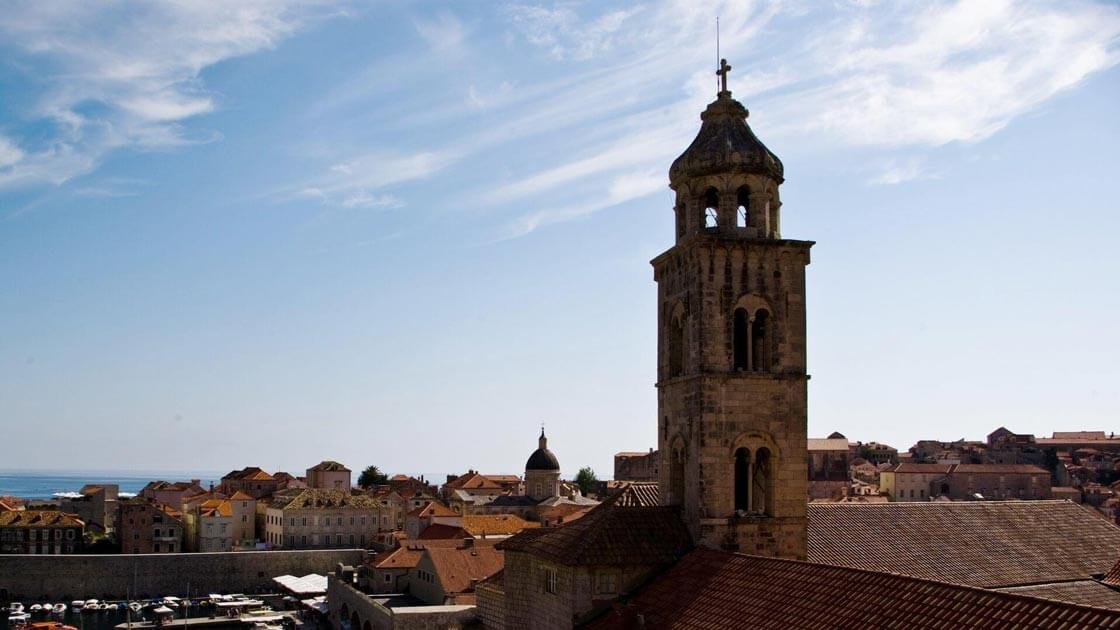
Dubrovnik, located in the southern part of Croatia, played an important role in the history of the United States. In 1776, as the American colonies were declaring their independence from Great Britain, Dubrovnik, which was then an independent republic, became the first state in the world to formally recognize the United States as a sovereign nation. This recognition helped to establish the legitimacy of the American cause and paved the way for other nations to offer their support. Today, the bond between Dubrovnik and the United States remains strong, with many Americans visiting the city each year to explore its rich history and cultural heritage.
11. The tie comes from Croatia – in the past, it was a part of the Croatian national costume, and according to tradition, when a soldier went to war, his wife would have tied a narrow scarf – a necktie around his neck, as to remind him of her love.
The necktie, also known as the cravata, is a popular fashion accessory that originated in Croatia. The tie was originally part of the traditional Croatian national costume and was worn as a symbol of status and rank. According to tradition, when a soldier went to war, his wife would have tied a narrow scarf around his neck, which would later evolve into the modern-day necktie. The word “cravat” itself is derived from the French word for “Croat,” as the French were among the first to adopt the style. Today, the necktie is a ubiquitous accessory in men’s fashion, worn in countless styles and colors around the world. Croatians continue to take pride in their contribution to this iconic fashion staple.
12. On the island of Mljet is the Odysseus cave – legend says that the famous adventurer rescued after a shipwreck on the nearby Origon cliffs, and there met the nymph he has fallen for, spending the next 7 years with her.
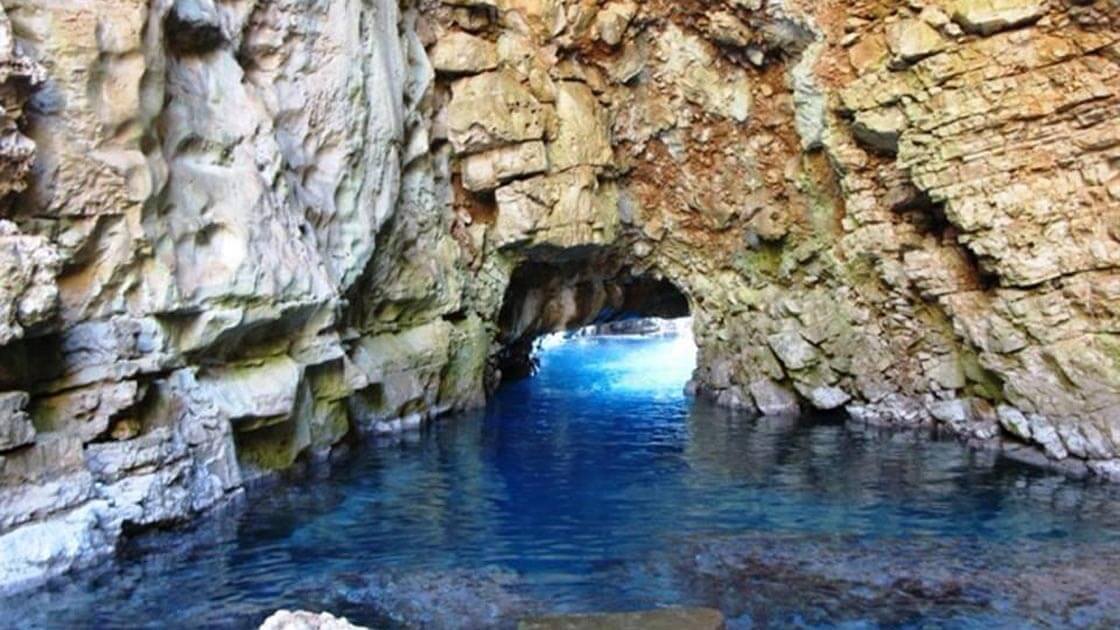
The island of Mljet, located in southern Croatia, is home to the stunning Odysseus Cave, which is steeped in myth and legend. According to ancient Greek mythology, the famous adventurer Odysseus was shipwrecked on the nearby cliffs of Origon and made his way to the cave, where he met and fell in love with the nymph Calypso. Legend has it that Odysseus spent seven years with Calypso before finally returning home to his wife and kingdom. Today, the Odysseus Cave is a popular destination for visitors to Mljet, who come to explore its sparkling waters and admire its natural beauty. Whether or not the myth is true, the cave remains a symbol of the enduring power of ancient storytelling and the timeless allure of the sea.
13. One of the best skiers in the world is Croatian – Janica Kostelić is the only woman with 4 gold medals from the Olympics, and the only one to win 3 gold medals in one Olimpic games.

Janica Kostelić is a legendary figure in the world of alpine skiing and one of the most successful athletes in the history of the sport. Born in Croatia, Kostelić won four gold medals and two silver medals over the course of three Winter Olympic Games, becoming the most successful female Olympian skier of all time. In the 2002 Winter Olympics in Salt Lake City, Kostelić made history by becoming the only woman to win three gold medals in a single Olympic Games. She also won multiple world championship titles and World Cup events, cementing her place as one of the greatest skiers of all time. Despite retiring from competition in 2007, Kostelić remains an inspiration to athletes around the world, and her legacy continues to inspire the next generation of skiers.
14. Almost 10 percent of the Croatian territory are natural beauties – 11 nature parks, 8 national parks and 2 nature reserves.
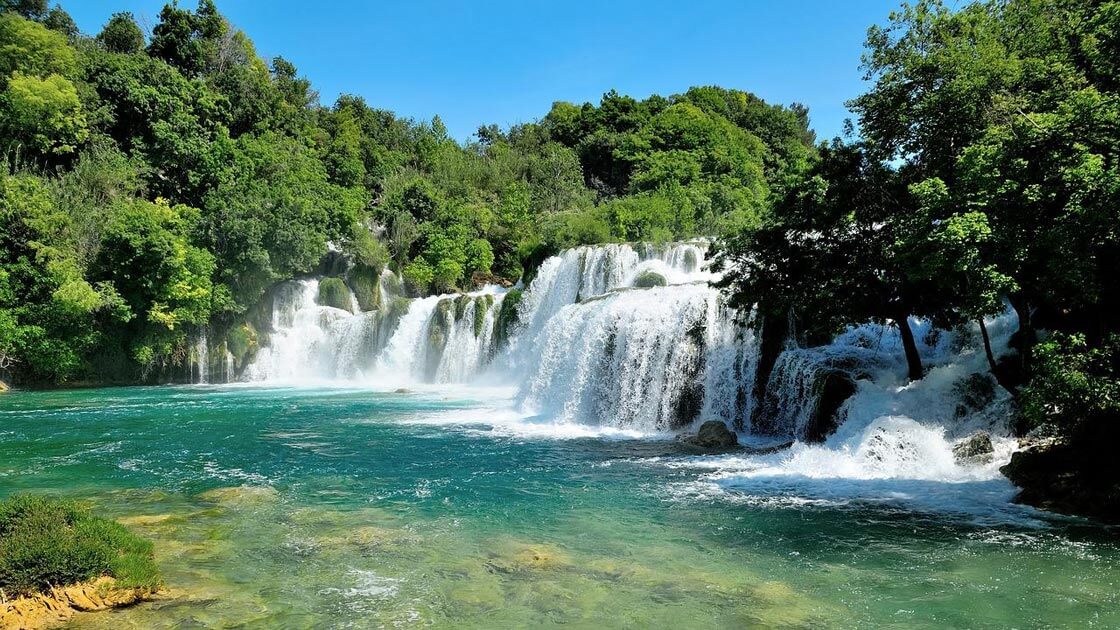
Croatia is renowned for its natural beauty, and a significant portion of the country is designated as protected land. In fact, almost 10 percent of the Croatian territory is protected as natural parks and reserves. The country is home to a total of 11 nature parks, each of which showcases unique natural landscapes, flora and fauna. Additionally, there are 8 national parks in Croatia, which are protected areas of exceptional beauty and ecological importance. Some of the most famous national parks include Plitvice Lakes, Krka, and Paklenica. Finally, there are two nature reserves in Croatia – the Kopački Rit Nature Reserve and the Lonjsko Polje Nature Park. These protected areas offer visitors the chance to explore some of the most breathtaking and pristine natural landscapes in Europe, from rugged mountain peaks to cascading waterfalls and stunning coastal vistas.
15. Croatia was a part of the European Union, but until 2023 its currency was “Kuna” . Kuna was named after an animal marten, whose fur traders once used as a currency of exchange for other goods.
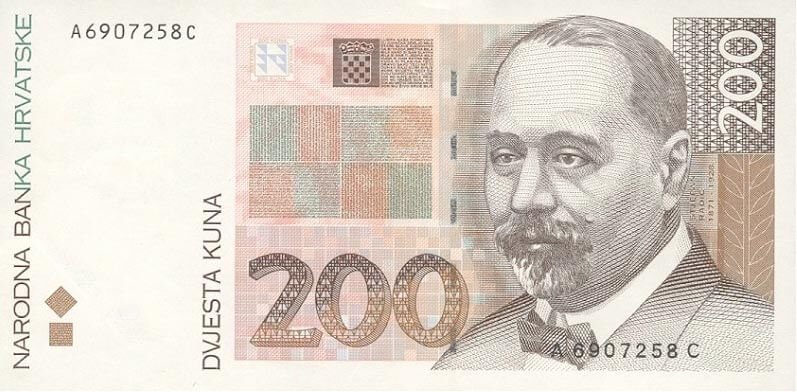
Croatia is a member of the European Union, but unlike many other member states, it had its own currency until 2023 – the kuna. The kuna has a fascinating history – it was named after the marten, a small furry animal that was once prized for its fur by traders in the region. The marten’s skin was often used as a form of currency for trading goods, which is why the kuna was named after this animal. Today, the kuna is the official currency of Croatia and is used by locals and visitors alike to pay for goods and services throughout the country. Although Croatia has not yet adopted the euro as its currency, it remains a vital member of the European Union and is an important economic and political player in the region.
16. Croatian inventor Slavoljub Penkala over his lifetime completed over 80 inventions, some of which are the pen (which was named according to him), detergent, electric toothbrush, thermos, flashlight and others.

Slavoljub Penkala was a Croatian inventor and engineer who made significant contributions to the fields of mechanical engineering, chemistry, and physics. Over the course of his lifetime, Penkala completed over 80 inventions, many of which have had a lasting impact on society. Some of his most notable inventions include the mechanical pencil, which was named the “Penkala” in his honor, the first solid-ink fountain pen, and a variety of other writing and drawing instruments. Penkala was also the inventor of the first commercially successful electric toothbrush, as well as a range of other household and industrial products, such as detergents, thermos bottles, and flashlights. Penkala’s innovative spirit and dedication to scientific research have made him an enduring figure in Croatian history and an inspiration to inventors and engineers around the world.
17. During the year, Croatia has about 2715 sunny hours, which is more than Sydney, Australia.

Croatia is known for its beautiful weather, and one of the reasons for this is the high number of sunny hours the country experiences each year. In fact, on average, Croatia receives around 2,715 sunny hours per year, making it one of the sunniest countries in Europe. This number is even higher than that of Sydney, Australia, which is often associated with sunny weather. The high number of sunny hours in Croatia makes it an ideal destination for outdoor activities such as hiking, swimming, and sunbathing. It also contributes to the country’s vibrant and colorful culture, with many festivals and celebrations taking place throughout the year in the warm, sunny weather.
18. The biggest truffle in the world is found in Croatia.

In 1999, a giant truffle weighing more than 1.31 kilograms (2.88 pounds) was discovered in the Istrian region of Croatia. This truffle, which was the largest ever found at the time, was certified by the Guinness Book of World Records as the heaviest truffle in the world. Since then, other large truffles have been found in Croatia, cementing the country’s reputation as a premier destination for truffle hunting and gourmet cuisine. Today, truffles are an important part of Croatia’s culinary culture, and can be found in a wide variety of dishes and preparations throughout the country.
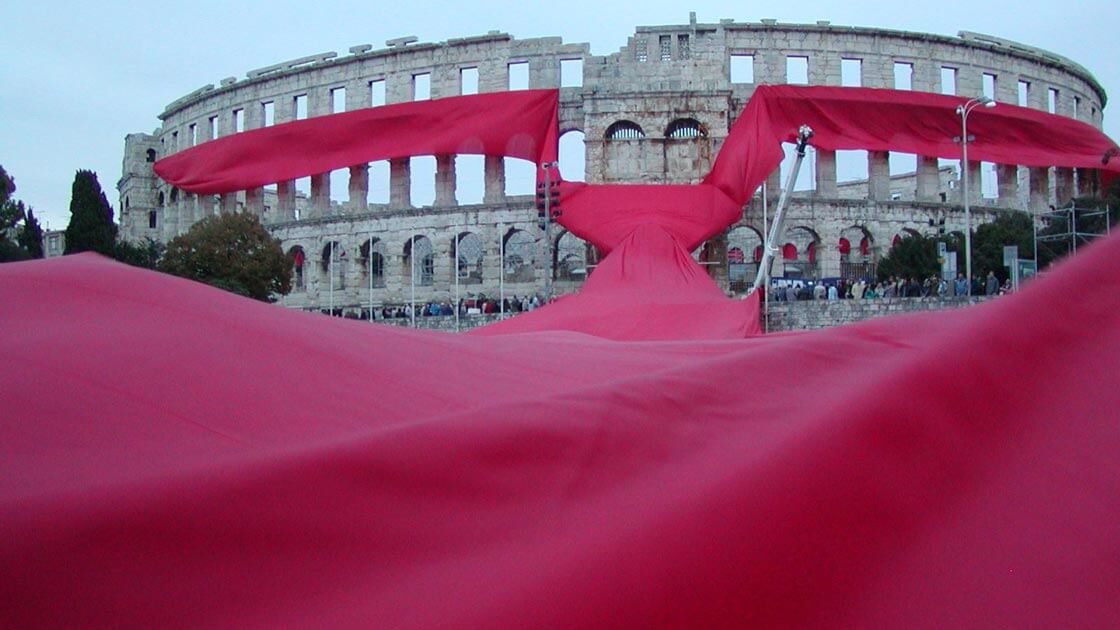
19. Pula is the city that Dante Alighieri mentioned in his Divine Comedy, and also the city in which the Romans built the sixth amphitheatre.
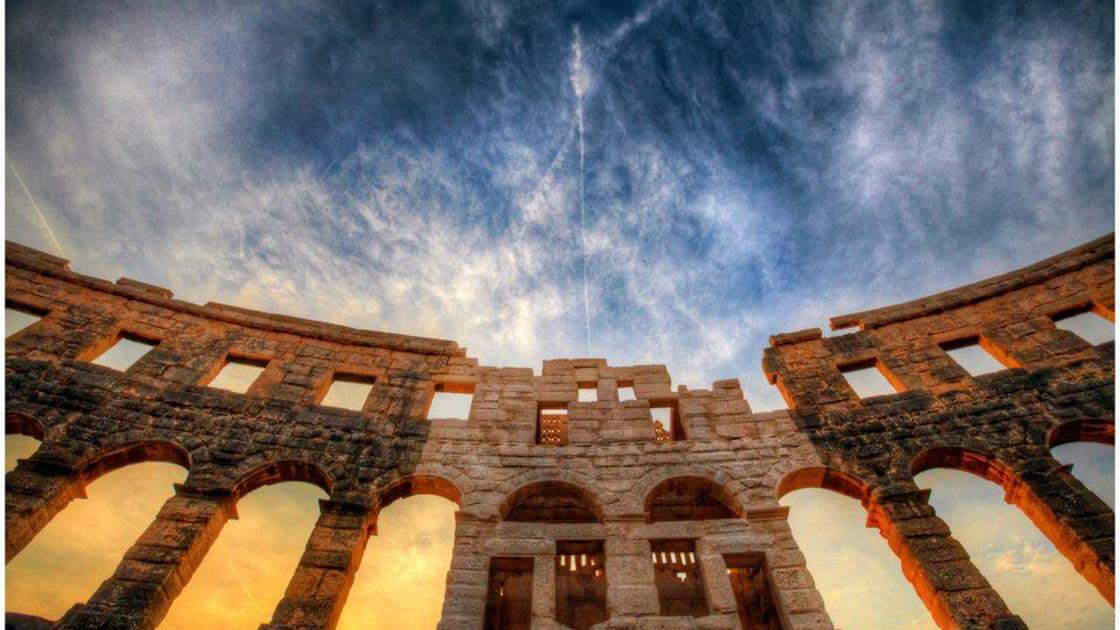
One of Pula’s most famous landmarks is its Roman amphitheatre, which is one of the largest and best-preserved examples of its kind in the world. Built in the 1st century AD, the amphitheatre was capable of seating up to 23,000 spectators, and was used for gladiatorial contests, public spectacles, and other events. Today, the amphitheater is a popular tourist attraction and a symbol of Pula’s rich cultural heritage.
20. The underwater device the destruction of ships – the torpedo – was invented by Ivan Vukić in the 19th century in Rijeka.

Vukić’s invention was a major breakthrough in naval warfare, as it allowed for the remote targeting and destruction of enemy ships. The torpedo was originally designed as a self-propelled underwater mine, but it was soon modified to include a propulsion system and a guidance system, making it a much more effective weapon.
Today, the torpedo remains an important part of naval warfare, and is used by navies around the world to protect their ships and coastal waters. Vukić’s invention helped to revolutionize naval warfare, and his legacy is still celebrated in Croatia and beyond.